Why Your New AC Isn't Cooling & How Duct Sizing Helps
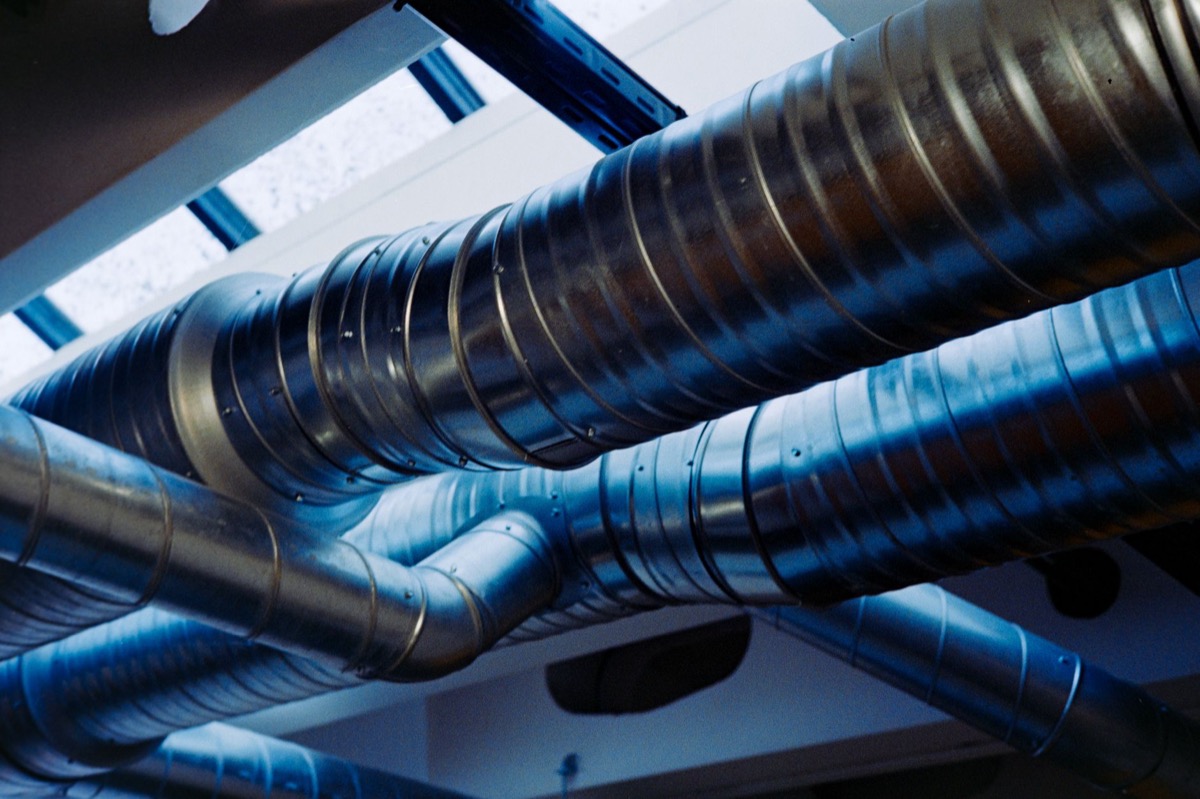
As highlighted by the New York Post, many homeowners find their "new AC is struggling to keep their house cool," a frustrating and common issue. While a brand new air conditioner should ideally provide optimal comfort, several factors can prevent it from performing as expected. This guide explores the primary reasons why your new AC might not be cooling your home adequately, with a particular focus on how correct HVAC unit sizing and especially proper ductwork design and sizing are critical for efficient operation.
Why Your New AC Might Not Be Cooling Properly
Even with a brand-new installation, various issues can hinder your AC's cooling power:
- Installation Errors: Incorrect refrigerant charge, poor electrical connections, or faulty condensate drainage during installation can compromise performance.
- Thermostat Malfunctions: A faulty or improperly calibrated thermostat can misread temperatures or fail to signal the AC unit to operate correctly.
- Refrigerant Issues: Either a leak causing low refrigerant levels or an overcharge can severely impact the system's ability to absorb and dissipate heat.
- Clogged Air Filters: A dirty filter restricts airflow, forcing the system to work harder and reducing its cooling capacity.
- Dirty Outdoor Unit: The condenser coils on the outdoor unit must be clean to dissipate heat efficiently. Blockages from dirt or debris prevent proper heat exchange.
- Improper AC Unit Sizing: The unit itself might be too large or too small for your home's specific cooling needs.
- Inadequate Ductwork: Often an overlooked culprit, improperly designed or sized ducts can severely restrict airflow, negating the benefits of a new AC.
The Critical Role of Proper AC Unit Sizing
One of the most fundamental reasons a new AC unit might struggle is improper sizing. An air conditioner that is too large for your home will cool the space too quickly, leading to frequent on/off cycles known as "short cycling." This results in poor dehumidification, uneven temperatures, and increased wear and tear on the unit. Conversely, an undersized unit will run constantly, struggling to reach the desired temperature, especially on hot days, leading to higher energy bills and inadequate comfort.
Determining the right size for your AC system involves a detailed calculation of your home's heat gain and loss, often performed using a Manual J load calculation. To learn more about calculating the appropriate AC size for your space, visit our page on HVAC Tonnage Sizing.
How Duct Sizing and Design Impact Cooling Performance
Even a perfectly sized, brand-new AC unit can underperform if your ductwork isn't up to par. The ducts are essentially the circulatory system of your HVAC, responsible for delivering conditioned air throughout your home and returning warm air to the AC unit. If they are improperly sized, poorly designed, or damaged, they can severely restrict airflow, leading to:
- Reduced Airflow: Ducts that are too small, too long, or have too many sharp bends create high resistance (static pressure), making it harder for the blower fan to move air. This directly reduces the amount of cool air reaching your rooms.
- Uneven Cooling: Insufficient airflow results in some rooms receiving plenty of cool air while others remain warm, creating uncomfortable "hot spots" and temperature disparities.
- Increased Energy Consumption: Your AC unit's blower motor will work harder to push air through restrictive ducts, consuming more energy without delivering effective cooling.
- System Strain and Premature Failure: The constant struggle to move air can put undue stress on the AC's blower motor and other components, potentially shortening its lifespan.
- Air Leaks: Poorly sealed or damaged ducts can leak significant amounts of conditioned air into unconditioned spaces (like attics or crawl spaces), wasting energy and reducing cooling capacity.
- Noise: High-velocity airflow through undersized ducts can create whistling or roaring sounds.
Understanding how to size ductwork properly is crucial. Common duct sizing mistakes often involve using rigid rules of thumb instead of specific calculations, or overlooking the impact of flexible ducting. For instance, flex duct derating must be considered as it has higher friction loss than rigid ducts.
Airflow, Velocity, and Static Pressure: The Unsung Heroes of HVAC
When diagnosing cooling issues related to ductwork, three key concepts are paramount: airflow (measured in Cubic Feet per Minute, or CFM), air velocity, and static pressure.
- Airflow (CFM): This is the volume of air moving through your system. Your AC unit needs a specific CFM to operate efficiently. Too little CFM due to restrictive ducts means insufficient heat exchange at the coil, leading to poor cooling. Use a Duct CFM Calculator to understand these requirements.
- Air Velocity: The speed at which air moves through the ducts. While important, excessive velocity can cause noise and increased pressure drop, contributing to overall system inefficiency. Our Duct Velocity Calculator can help you evaluate this.
- Static Pressure: The resistance air encounters as it moves through the ductwork, coils, and filters. High static pressure means your blower motor is working harder than it should, reducing airflow, increasing energy use, and potentially shortening the life of the unit. This is directly influenced by duct size, material, and design.
Proper duct sizing aims to balance these factors, ensuring adequate airflow at appropriate velocities and acceptable static pressure levels for optimal AC performance.
Max CFM by round duct diameter at 0.08 in.wg/100 ft
Key Takeaways
- A new AC unit can struggle to cool due to various issues, including installation errors, refrigerant problems, or simply a dirty system.
- Ensuring your AC unit is correctly sized (not too big or too small) for your home is fundamental for efficiency and comfort.
- Improper duct sizing or design severely impacts airflow, leading to uneven cooling, higher energy bills, and premature system wear.
- Understanding airflow (CFM), velocity, and static pressure is crucial for diagnosing and resolving ductwork-related cooling problems.
- Optimizing your ductwork is as critical as having a high-quality AC unit for effective and efficient home cooling.
Try It Yourself — Free
Don't let improper ductwork diminish your comfort. Use our free duct size calculator to assess your system's needs and ensure optimal airflow. You can also refer to our comprehensive Duct Sizing Chart for quick reference.
Related Resources
More From Our Network
- cyberfrad — our network
Sources
- New York Post — Original report