The Importance of Energy-Efficient AC Installation & Ducts
As global cooling demand continues its upward trend, a recent insight from GreentechLead highlights the increasing importance of energy-efficient AC installation. This trend underscores a critical truth for homeowners and professionals alike: achieving an efficient AC system isn't just about the unit itself, but how it's integrated into your home's entire cooling infrastructure.
Understanding the principles of efficient AC setup, particularly the crucial role of your ductwork, is key to managing energy costs, improving indoor comfort, and ensuring your system operates effectively for years to come.
The Growing Imperative for Efficient Cooling
With warmer climates and increased urban development, the demand for air conditioning is accelerating. This surge in usage directly translates to higher energy consumption, making cooling a significant portion of household utility bills for many. Beyond cost, the environmental impact of energy-intensive cooling systems adds another layer of urgency.
An energy-efficient AC system is a powerful tool to counteract these trends, offering a path to sustainable comfort and substantial long-term savings.
Beyond the Box: Why AC Installation Matters
While a high-efficiency AC unit with a great SEER (Seasonal Energy Efficiency Ratio) rating is a good starting point, its true performance depends heavily on professional installation. Even the most advanced units can underperform and waste energy if not installed correctly. Key aspects of proper installation include:
- Correct Sizing: An AC unit that is too large will cycle on and off frequently, leading to poor dehumidification and increased wear. One that is too small will run constantly and struggle to cool your home adequately. Our HVAC Tonnage Sizing guide can help you understand this critical factor.
- Proper Refrigerant Charge: An incorrect refrigerant level can reduce efficiency by 5-20% and can damage the compressor.
- Adequate Airflow: The system needs to move the correct volume of air across the coil. Poor airflow can reduce efficiency and cooling capacity.
- Tight Connections & Proper Electrical Setup: Secure electrical and refrigerant line connections prevent leaks and ensure safe, reliable operation.
These elements work in concert with your ductwork to define the overall efficiency of your cooling system.
Ducts: The Unsung Heroes of an Efficient AC System
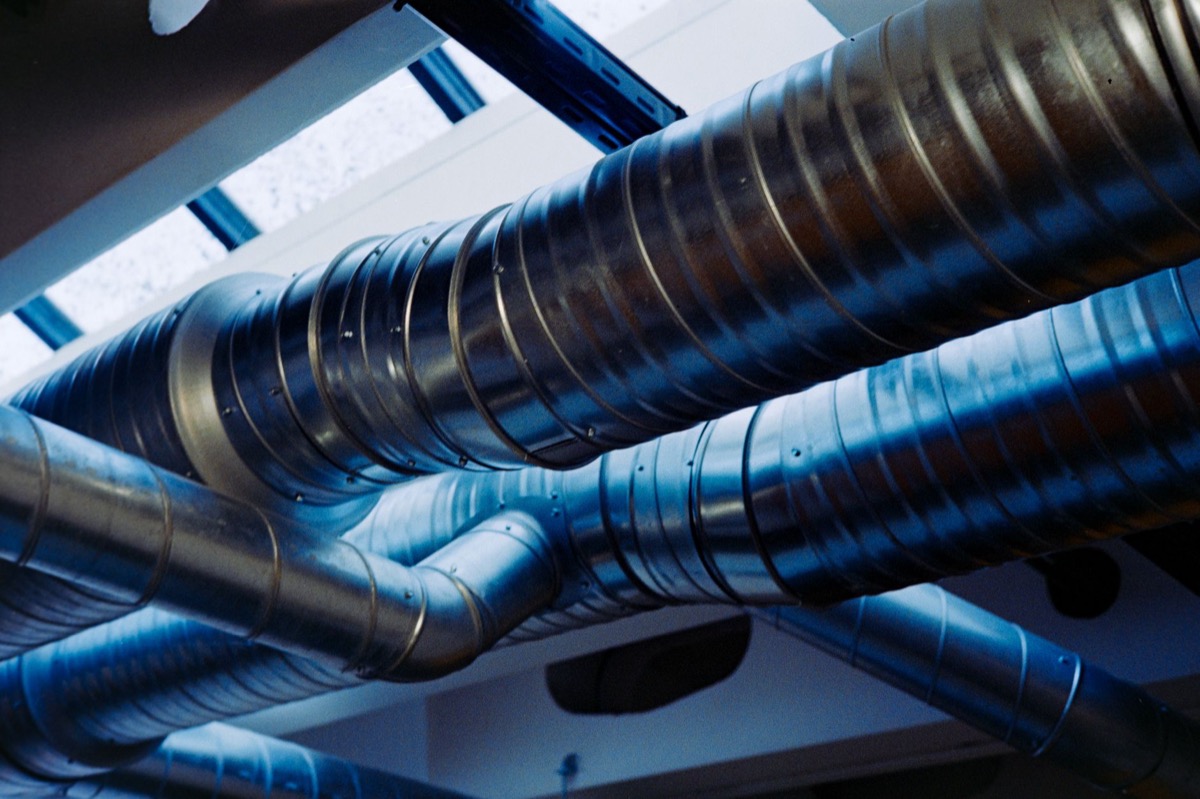
Ductwork is the circulatory system of your AC, distributing conditioned air throughout your home. Yet, it's often overlooked, leading to significant energy waste. The U.S. Environmental Protection Agency (EPA) notes that in typical homes, about 20 to 30 percent of the air that moves through the duct system is lost due to leaks, holes, and poorly connected ducts.
- Correct Sizing for Optimal Airflow: Ducts that are too small restrict airflow, leading to higher static pressure, increased fan energy consumption, noise, and reduced cooling capacity. Conversely, oversized ducts can lead to poor air mixing and inefficient distribution. Our Duct CFM Calculator and How to Size Ductwork resources are invaluable for getting this right.
- Sealing Leaks: Leaky ducts allow conditioned air to escape into unconditioned spaces like attics or crawlspaces, and draw unconditioned air (and dust/allergens) back into the system. Sealing these leaks is one of the most cost-effective ways to improve efficiency.
- Insulation: Ducts running through unconditioned areas should be properly insulated to prevent heat gain in summer and heat loss in winter, ensuring the air temperature remains consistent from the unit to your living spaces. The impact of materials like flex duct also needs to be considered for efficiency.
Properly designed, sealed, and insulated ductwork ensures that the cooled air reaches its destination efficiently, maximizing comfort and minimizing wasted energy.
Benefits Beyond Energy Savings
Investing in an energy-efficient AC system with well-designed ductwork offers a cascade of benefits that extend beyond just lower utility bills:
- Enhanced Comfort: Consistent temperatures throughout your home, fewer hot and cold spots, and better humidity control.
- Improved Indoor Air Quality: Sealed ducts prevent dust, allergens, and pollutants from entering your airstream from unconditioned areas.
- Extended Equipment Lifespan: A properly installed and balanced system operates under less strain, leading to fewer breakdowns and a longer life for your AC unit.
- Reduced Environmental Impact: Lower energy consumption means a smaller carbon footprint, contributing to a healthier planet.
Max CFM by round duct diameter at 0.08 in.wg/100 ft
Key Takeaways
- Global cooling demand necessitates a focus on energy-efficient AC systems.
- Proper AC unit installation, including correct sizing and refrigerant charge, is as crucial as the unit's efficiency rating.
- Well-designed, sealed, and insulated ductwork is paramount for efficient air distribution and preventing energy loss.
- Leaky or undersized ducts can significantly increase energy bills, reduce comfort, and shorten equipment lifespan.
- Investing in efficient AC installation and ductwork leads to lower energy costs, improved home comfort, and a reduced environmental footprint.
Try It Yourself — Free
Ready to optimize your home's cooling system? Use our free duct size calculator to help ensure your ductwork supports maximum efficiency. For more detailed insights, explore our resources like the How to Size Ductwork guide.
Related Resources
More From Our Network
- cyberfrad — our network
Sources
- GreentechLead — Original report
- GreentechLead — GreentechLead highlights the increasing importance of energy-efficient AC installation as cooling demand rises.