Residential HVAC Decisions: Efficiency, Climate & Duct Design
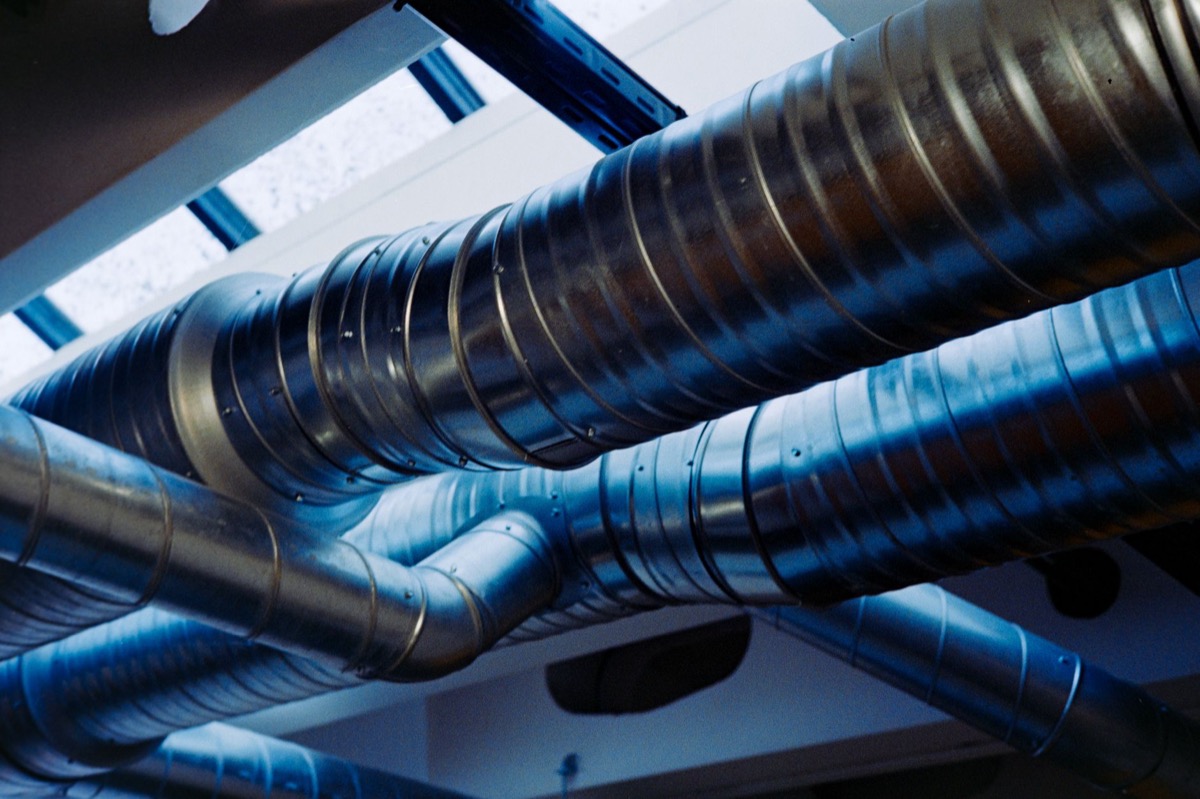
Making informed residential HVAC decisions is crucial for your home's long-term comfort, energy efficiency, and indoor air quality. As highlighted by a recent article in CityWatch LA, titled "Residential HVAC Decisions in Lake Forest: Climate, Efficiency, and Long-Term Home Performance," these choices require careful consideration of various factors.
Whether you're replacing an old unit or designing for new construction, understanding how climate, system efficiency, and the often-overlooked aspect of duct design intertwine can lead to significant savings and a more comfortable living environment.
Understanding HVAC System Efficiency Ratings
When selecting a new HVAC system, efficiency ratings are your roadmap to understanding potential energy savings. These ratings quantify how effectively a system converts energy into heating or cooling. Key ratings to look for include:
- SEER2 (Seasonal Energy Efficiency Ratio 2): For central air conditioners and heat pumps in cooling mode, SEER2 measures cooling output over a typical cooling season divided by the total electric energy input during the same period. Higher SEER2 values indicate greater efficiency.
- EER2 (Energy Efficiency Ratio 2): This rating measures cooling efficiency at a single operating point, reflecting performance under peak load conditions.
- HSPF2 (Heating Seasonal Performance Factor 2): For heat pumps in heating mode, HSPF2 measures heating output over a typical heating season divided by the total electric energy input during the same period. Higher HSPF2 values mean better heating efficiency.
Opting for systems with higher efficiency ratings can lead to lower energy bills, though they typically have a higher upfront cost. The U.S. Department of Energy provides detailed explanations of these ratings and their impact on your home's energy consumption.
Climate Considerations for Optimal HVAC Performance
Your local climate plays a significant role in determining the most suitable HVAC system. What works efficiently in a cold, northern climate may be overkill or inefficient in a hot, humid, southern region, and vice-versa. Climate zones guide decisions on system type, size, and features.
- Heating-Dominant Climates: Areas with long, cold winters might prioritize high-efficiency furnaces or heat pumps with excellent HSPF2 ratings, possibly paired with a smaller air conditioning unit.
- Cooling-Dominant Climates: Regions experiencing long, hot summers will benefit most from high-SEER2 air conditioners or heat pumps, focusing on robust cooling capacity and dehumidification.
- Mixed Climates: Many areas have both significant heating and cooling needs. Here, a high-efficiency heat pump often provides the most balanced and cost-effective solution, offering both heating and cooling from a single unit.
Understanding your climate's specific demands helps ensure your system is appropriately sized and designed to perform optimally year-round without excessive energy use. For comprehensive guidance on sizing, consider our HVAC Tonnage Sizing guide.
The Critical Role of Duct Design in Home Performance
Even the most efficient HVAC unit cannot perform effectively if its ductwork is poorly designed or installed. Ductwork is the circulatory system of your HVAC, delivering conditioned air throughout your home. Improper duct design can lead to:
- Reduced Efficiency: Leaky ducts can lose 20% to 30% of the air moving through the system, meaning your HVAC unit works harder and consumes more energy to maintain desired temperatures.
- Uneven Heating and Cooling: Incorrectly sized or designed ducts can result in hot and cold spots, making some rooms uncomfortable while others are over-conditioned.
- Poor Indoor Air Quality: Leaks can draw dust, pollutants, and allergens into your air supply from unconditioned spaces like attics or crawl spaces.
- Increased Noise: Undersized ducts can cause excessive air velocity, leading to whistling or howling noises. For more on this, visit our Duct Velocity Calculator page.
Proper duct design, including appropriate sizing and sealing, is a fundamental aspect of maximizing your HVAC system's efficiency and ensuring uniform comfort. Manual D, an industry standard, provides guidelines for designing duct systems. You can explore these concepts further with our free How to Size Ductwork guide and Duct Sizing Chart.
Long-Term Performance and Maintenance
The decisions made during HVAC system selection and installation have lasting impacts on your home. An efficiently chosen and properly installed system, particularly with well-designed ductwork, will require less energy to operate and generally last longer.
Regular maintenance, such as changing filters and annual professional inspections, becomes even more effective when the foundational design is sound. This ensures that the system continues to deliver its rated efficiency throughout its lifespan, safeguarding your investment and consistent home comfort.
Max CFM by round duct diameter at 0.08 in.wg/100 ft
Key Takeaways
- HVAC system efficiency ratings (SEER2, EER2, HSPF2) directly impact your energy bills and should be a key factor in your decision.
- Your home's specific climate (heating-dominant, cooling-dominant, or mixed) dictates the most effective HVAC system type and features.
- Proper duct design and sealing are as critical as the HVAC unit itself, preventing energy loss, improving comfort, and enhancing indoor air quality.
- Initial decisions on system efficiency and ductwork design significantly influence long-term operational costs and system lifespan.
Try It Yourself — Free
Ready to ensure your HVAC system's ductwork is perfectly sized for optimal efficiency and comfort? Use our free duct size calculator today to get started. For specific calculations, check out our Duct CFM Calculator.
Related Resources
More From Our Network
- cyberfrad — our network
Sources
- CityWatch LA — Original report