Maximizing Heat Pump Efficiency Through Proper Duct Design
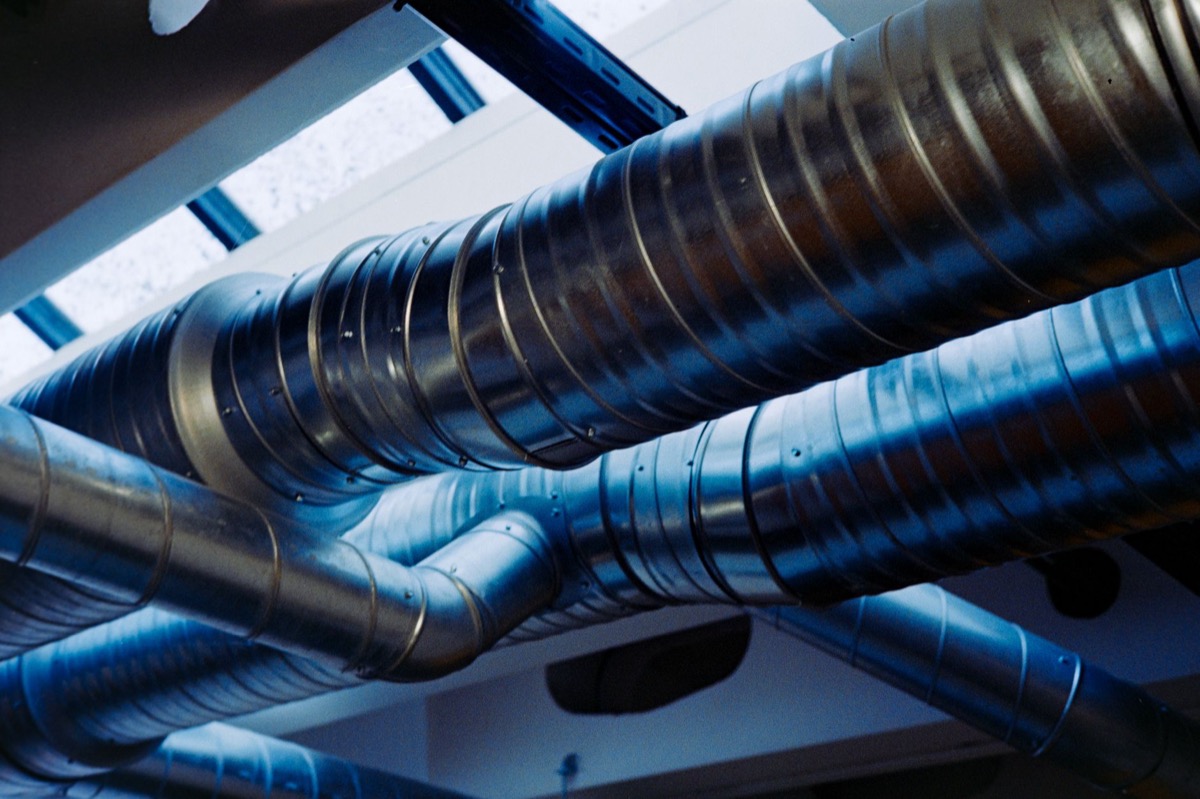
Recent headlines, such as the "High-Efficiency Heat Pumps Cut Energy Bills for Pittsburgh Homeowners" report from the Carroll County Mirror-Democrat, highlight the significant energy savings that modern heat pump systems can offer. While the technology itself is impressive, the key to truly maximizing these benefits—and ensuring your home is consistently comfortable—lies in an often-overlooked component: your ductwork.
A high-efficiency heat pump is only as good as the system that delivers its conditioned air. Without proper duct design, even the most advanced heat pump will struggle to perform optimally, leading to wasted energy and reduced comfort. Understanding and optimizing your ductwork is crucial for unlocking the full potential of your heat pump.
Why Ductwork is Central to Heat Pump Efficiency
Heat pumps are highly efficient heating and cooling systems because they transfer heat rather than generate it (except for supplemental heat). However, their efficiency hinges on the precise movement of air throughout your home. Unlike traditional furnaces or air conditioners that might tolerate some airflow imperfections, heat pumps are particularly sensitive to how air flows through the ductwork. Restricted or inadequate airflow forces the heat pump to work harder, consuming more energy to achieve the desired temperature.
This increased effort not only drives up your energy bills but also puts unnecessary strain on the unit, potentially shortening its lifespan. Properly designed ducts ensure that air moves freely and effectively, allowing your heat pump to operate at its peak efficiency and deliver the consistent comfort you expect.
The Hidden Costs of Improperly Sized Ducts
When ductwork is poorly designed or incorrectly sized, it creates a cascade of problems that undermine your heat pump's performance and impact your wallet:
- Reduced Energy Efficiency: The U.S. Environmental Protection Agency (EPA) reports that in a typical house, about 20 to 30 percent of the air that moves through the duct system is lost due to leaks, holes, and poorly connected ducts. This means your heat pump works overtime, leading to higher energy bills.
- Uneven Heating and Cooling: Inadequate airflow results in hot and cold spots throughout your home. Rooms too far from the heat pump or with undersized ducts won't receive enough conditioned air, leading to discomfort.
- Premature Equipment Failure: Overworked components, such as the fan motor and compressor, endure increased wear and tear. This can shorten the heat pump's operational life and lead to costly repairs or early replacement.
- Excessive Noise: When ducts are too small for the required airflow, the air velocity increases, often creating whistling, hissing, or rattling sounds. You can learn more about managing airflow on our duct velocity calculator page.
- Poor Indoor Air Quality: Leaky ducts can draw in dust, insulation fibers, and other contaminants from unconditioned areas, impacting the air you breathe.
Understanding these duct sizing mistakes is the first step toward optimizing your system.
Essential Principles for Optimal Duct Design
To ensure your heat pump operates at peak efficiency, adhere to these fundamental principles of proper duct design:
- Accurate Sizing (ACCA Manual D): The cornerstone of efficient ductwork is correct sizing. Industry standards, such as ACCA Manual D, provide guidelines for designing duct systems that deliver the precise airflow (CFM) required by your heat pump. This involves calculating heat loss and gain (often using Manual J calculations), determining the necessary CFM for each room, and then selecting appropriate duct sizes to maintain optimal airflow velocity and static pressure. Our free duct size calculator can assist with these calculations.
- Thoughtful Layout and Materials: Design your duct system with the fewest possible bends, transitions, and long runs to minimize air resistance. Smooth, rigid sheet metal ducts generally offer less airflow resistance than flexible ducts, especially when not properly installed or supported. If using flexible ducts, refer to resources like our flex duct sizing chart for best practices.
- Thorough Sealing and Insulation: Leaks in your ductwork can lead to substantial energy loss. Sealing all connections with mastic sealant or metallic-backed tape is critical. Furthermore, insulating ducts, especially those running through unconditioned spaces like attics, crawl spaces, or garages, prevents thermal losses and gains, ensuring the conditioned air reaches its destination at the intended temperature.
Realizing Maximum Heat Pump Energy Savings
A high-efficiency heat pump represents a significant investment in your home's comfort and energy future. By ensuring that your ductwork is properly designed, sized, sealed, and insulated, you unlock the full potential of this advanced technology. This integrated approach ensures your heat pump can distribute conditioned air efficiently, resulting in:
- Lower Energy Bills: Operating at its rated efficiency means less wasted energy and measurable savings on your monthly utility statements.
- Consistent Comfort: Even temperature distribution throughout your home, eliminating uncomfortable hot and cold spots.
- Extended Equipment Life: Reduced strain on your heat pump leads to fewer breakdowns and a longer operational lifespan.
- Improved Indoor Air Quality: Sealed ducts prevent contaminants from entering your living spaces.
Just as the homeowners in Pittsburgh are experiencing, combining high-efficiency equipment with a well-designed delivery system is the ultimate strategy for maximizing heat pump energy savings and achieving optimal home comfort.
Max CFM by round duct diameter at 0.08 in.wg/100 ft
Key Takeaways
- Proper duct design is essential for a high-efficiency heat pump to deliver maximum energy savings.
- Incorrectly sized or leaky ductwork can lead to significant energy waste (20-30%), discomfort, and premature equipment wear.
- Adhering to industry standards like ACCA Manual D for sizing ensures optimal airflow for your heat pump.
- Minimizing bends, choosing appropriate materials, and thoroughly sealing and insulating ducts are crucial for efficiency.
- Optimized ductwork enables your heat pump to run efficiently, providing consistent comfort, lower bills, and a longer lifespan.
Try It Yourself — Free
Ready to evaluate your home's ductwork? Use our free duct size calculator to help determine appropriate dimensions for various airflow requirements. You can also explore our guide on how to size ductwork for comprehensive information.
Related Resources
More From Our Network
- cyberfrad — our network
Sources
- Carroll County Mirror-Democrat — Original report
- U.S. Department of Energy (DOE) — Heat pumps offer significant energy savings and transfer heat.