Closing AC Vents: Why It Harms HVAC & Wastes Energy
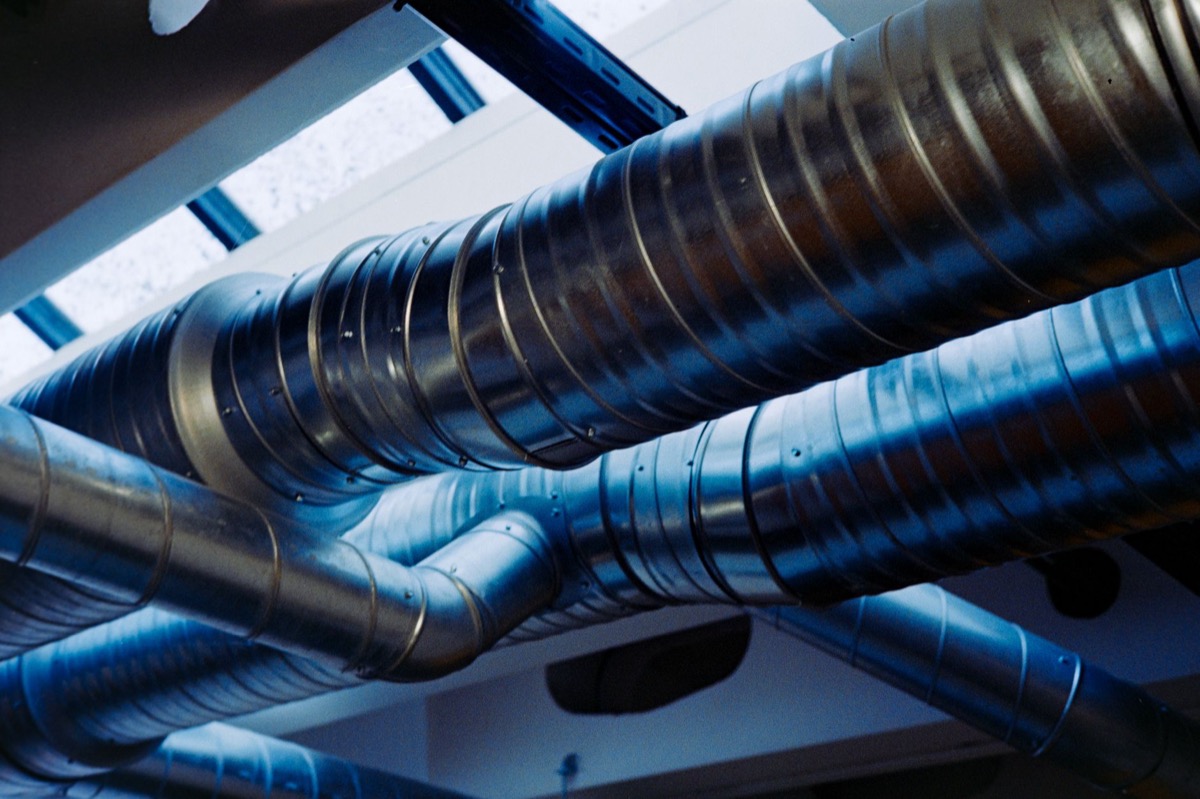
It's a common assumption: close off AC vents in unused rooms to save energy and direct more cool air where you need it most. However, this seemingly logical strategy can actually do more harm than good. As the Cincinnati Enquirer recently highlighted, "Closing AC vents won't save money and could hurt your HVAC system." This sentiment is echoed by HVAC professionals nationwide.
While the idea of focusing cool air might seem efficient, your home's heating, ventilation, and air conditioning (HVAC) system is a carefully balanced machine. Closing vents disrupts this balance, leading to increased wear and tear, higher energy bills, and reduced comfort throughout your home. Understanding the negative impacts on airflow dynamics, static pressure, and component longevity is crucial for any homeowner or DIY enthusiast.
The Hidden Harm: How Closing Vents Impacts Your HVAC System
When you close AC vents, you're not just redirecting air; you're increasing resistance within your ductwork. This restriction causes a buildup of pressure known as static pressure. Your HVAC system's blower motor is designed to move a specific volume of air (measured in Cubic Feet per Minute - CFM) against a calculated amount of static pressure. When vents are closed, the static pressure rises beyond the system's design limits.
- Blower Motor Strain: An overworked blower motor consumes more electricity as it struggles to push air through restricted ducts. This increased strain shortens its lifespan and can lead to costly repairs or premature replacement.
- Frozen Evaporator Coils: Reduced airflow over the indoor evaporator coil can cause the refrigerant inside to get too cold, leading to ice buildup. A frozen coil cannot absorb heat effectively, leading to warmer air delivery and system inefficiencies.
- Compressor Overload: A frozen coil can indirectly strain the outdoor compressor unit. When the indoor unit isn't properly absorbing heat, the entire system has to work harder and longer to try and reach the thermostat's set temperature, increasing energy consumption and wear on the compressor, which is one of the most expensive components to replace.
- Duct Leakage: Increased static pressure can also exacerbate air leaks in your ductwork. Air will find the path of least resistance, forcing conditioned air out through cracks and seams into unconditioned spaces like attics or crawl spaces, completely negating any perceived savings. Learn more about common duct sizing mistakes that contribute to poor airflow.
Wasted Energy and Higher Utility Bills
The misconception that closing vents saves money often leads to the opposite result. The increased strain on your system components directly translates to higher energy consumption. A system running less efficiently and working harder to overcome increased static pressure will use more electricity.
The U.S. Department of Energy emphasizes that proper airflow is critical for HVAC system efficiency. When airflow is impeded, the system must run longer to cool your home, leading to increased energy usage and inflated utility bills. Furthermore, closing vents in one area does not necessarily mean other areas will receive significantly more cooling; rather, it often leads to uneven temperatures throughout the home, making some rooms too hot and others potentially too cold, prompting further adjustments and more energy waste.
Smarter Alternatives to Improve Home Comfort & Efficiency
Instead of closing vents, consider these effective strategies to optimize your home's cooling and save energy:
- Professional HVAC Assessment: Have a qualified HVAC technician inspect your system and ductwork. They can identify issues like leaks, blockages, or improperly sized ducts using tools like our free duct size calculator to understand CFM and velocity requirements.
- Zoned HVAC Systems: If you truly need different temperatures in various parts of your home, a zoned HVAC system is the proper solution. These systems use motorized dampers within the ductwork to control airflow to specific areas based on individual thermostats, without negatively impacting overall system performance.
- Balancing Dampers: Many duct systems have manual dampers that can be adjusted to balance airflow more evenly throughout the house. A professional can properly adjust these dampers to optimize air distribution without creating excessive static pressure. The EPA's ENERGY STAR program recommends ensuring registers and return vents are open and unobstructed to maintain proper airflow.
- Improve Insulation and Sealing: Address the root causes of uneven temperatures by upgrading insulation in walls and attics, sealing air leaks around windows and doors, and ensuring your home is properly weatherized. This reduces heat gain (or loss) in the first place, lessening the burden on your HVAC system.
- Regular Maintenance: Ensure your system is regularly maintained, including changing air filters, cleaning coils, and checking refrigerant levels. A well-maintained system runs more efficiently.
Max CFM by round duct diameter at 0.08 in.wg/100 ft
Key Takeaways
- Closing AC vents significantly increases static pressure in your ductwork, leading to system strain.
- Increased static pressure can damage your blower motor, cause evaporator coils to freeze, and shorten compressor lifespan.
- Despite common belief, closing vents wastes energy and leads to higher utility bills due to inefficient system operation.
- Optimal airflow is crucial for HVAC efficiency and longevity; maintain open, unobstructed vents.
- For targeted cooling, consider professional solutions like zoned HVAC systems or proper duct balancing, rather than closing vents.
Try It Yourself — Free
Understanding airflow dynamics is key to a healthy HVAC system. To help ensure your system operates efficiently, explore our free Duct Size Calculator, which offers tools for CFM, velocity, and static pressure calculations. For more insights into optimal system design, check out our guide on How to Size Ductwork.
Related Resources
More From Our Network
- cyberfrad — our network
Sources
- Cincinnati Enquirer — Original report