Closing AC Vents: Impact on Ducts & System Efficiency
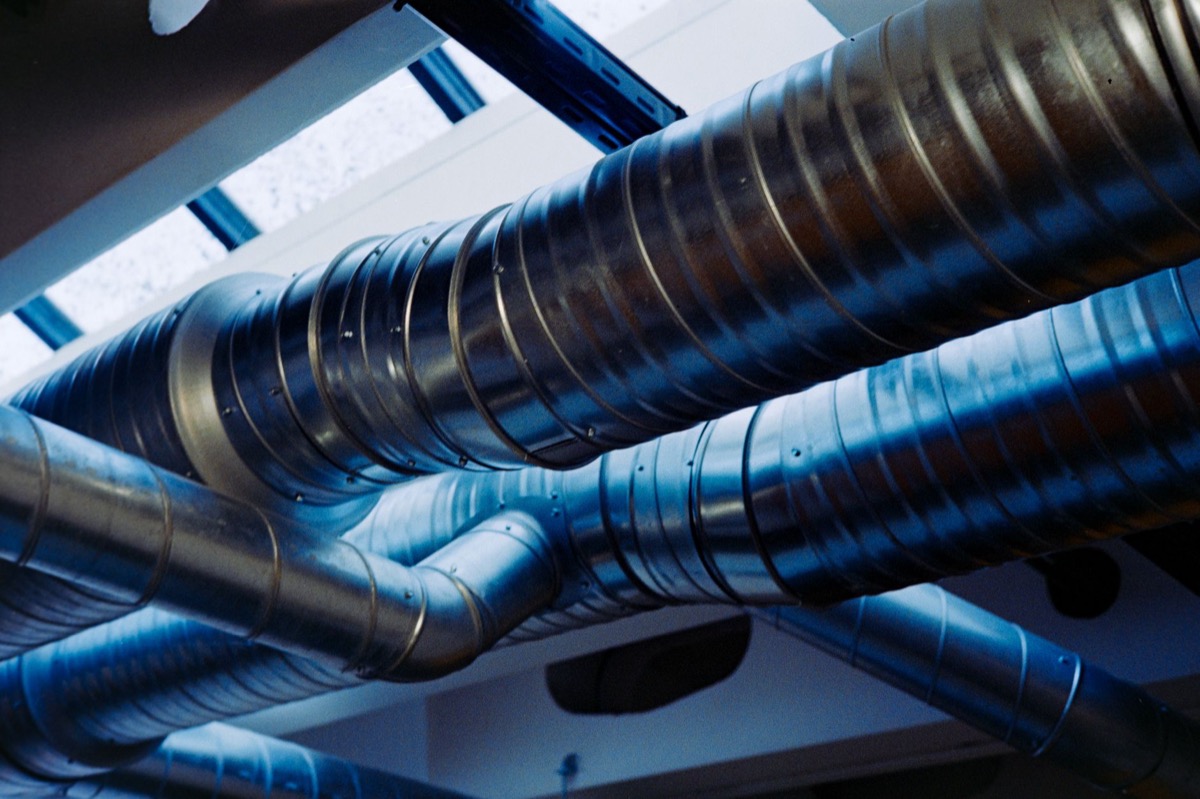
When summer heat hits, it's common to wonder if closing air vents in unoccupied rooms can save energy. A recent question posed by El Cronista, "Should the air vents in empty rooms be closed during the summer? What they are for and what experts say," highlights this common homeowner dilemma. While it might seem like a logical step to direct cool air only where it's needed, HVAC professionals generally advise against closing air conditioning vents.
Understanding why involves looking at how your HVAC system is designed to operate, particularly its static pressure, energy efficiency, and overall air distribution.
The Common Misconception About Closing AC Vents
The idea behind closing AC vents is intuitive: why cool a room that isn't being used? Many homeowners believe that by shutting off airflow to certain areas, the air conditioner can focus its efforts on occupied spaces, thereby reducing energy consumption and lowering utility bills. However, this common practice overlooks the intricate balance engineered into modern HVAC systems.
Your heating and cooling system is designed to move a specific volume of air through a network of ducts to maintain comfortable temperatures throughout your home. Altering this design by closing vents can disrupt the system's intended operation, leading to unintended consequences.
Impact on Your HVAC System's Static Pressure
One of the most significant impacts of closing AC vents is an increase in your HVAC system's static pressure. Static pressure refers to the resistance to airflow through your ductwork, filters, and coils. HVAC systems are calibrated to operate within a specific static pressure range to ensure efficient airflow and proper equipment function.
- Increased Strain on Blower Motor: When you close vents, you restrict the paths available for air to travel. The blower motor, which is designed to move a specific amount of air (CFM) against a certain resistance, has to work harder to push the same volume of air through fewer openings. This increased strain can lead to premature wear and tear on the motor, potentially shortening its lifespan and requiring costly repairs.
- Reduced Airflow Over Coils: Insufficient airflow over the evaporator coil can cause the coil to get too cold and potentially freeze. A frozen coil dramatically reduces the system's ability to cool your home and can lead to water leaks and further damage.
- Exacerbated Duct Leakage: Higher static pressure inside your ductwork can also push more conditioned air out through any existing leaks or gaps in the ducting. This means that instead of redirecting cool air, you might simply be losing more of it into unconditioned spaces like attics or crawl spaces.
As experts at Iowa State University Extension and Outreach note, "restricting air flow by closing a register often increases fan energy use and may reduce comfort elsewhere."
Effects on Energy Efficiency and Comfort
While the goal of closing vents is to save energy, the reality is often the opposite. The increased strain on the blower motor means it consumes more electricity without delivering better cooling. The U.S. Department of Energy (DOE) specifically advises against this practice, stating that "Don't close registers or block return air vents in unused rooms."
- Higher Energy Bills: A harder-working motor uses more electricity. If your system is battling increased static pressure and inefficient heat transfer, it will run longer to reach your thermostat's setting, leading to higher energy consumption.
- Uneven Cooling and Discomfort: Your HVAC system is designed to distribute conditioned air evenly throughout your home. Closing vents can create pressure imbalances, leading to some areas being too cold while others remain uncomfortably warm. This uneven temperature distribution diminishes overall home comfort.
- Potential for Mold Growth: In severe cases of restricted airflow and frozen coils, moisture issues can arise, potentially contributing to mold growth within the system or ductwork.
The Right Approach: Proper Duct Sizing and Zoning
Instead of closing vents, the most effective way to manage temperature control and energy efficiency in different areas of your home involves proper system design and smart technology.
- Zoning Systems: For homes with distinct heating and cooling needs across different areas, a professional zoning system is an ideal solution. This allows you to control temperatures independently in various zones, ensuring comfort where it's needed without overworking your main system.
- Professional Balancing: An HVAC technician can perform a professional balance of your system to ensure optimal airflow to all registers, making minor adjustments to dampers within the ductwork to achieve desired comfort levels.
- Proper Ductwork Design: Ultimately, the foundation of an efficient HVAC system is well-designed and properly sized ductwork. Ducts that are too small, too large, or poorly installed can all contribute to static pressure issues and inefficient airflow, regardless of whether vents are open or closed. If you suspect your ductwork might be contributing to airflow problems, understanding concepts like how to size ductwork is a crucial first step.
Max CFM by round duct diameter at 0.08 in.wg/100 ft
Key Takeaways
- Closing AC vents in unused rooms generally does not save energy and can harm your HVAC system.
- Restricting airflow increases static pressure, leading to the blower motor working harder, potential coil freezing, and reduced system lifespan.
- Higher static pressure can lead to increased energy consumption and higher utility bills due to inefficient operation.
- Closing vents can create uneven temperatures and reduce overall comfort in your home.
- Effective solutions for temperature control include professional zoning systems, system balancing, and properly sized ductwork.
Try It Yourself — Free
Ensuring your ductwork is correctly sized for your HVAC system is fundamental to its efficiency and longevity. Use our free duct size calculator to help evaluate your system's needs, and learn more about avoiding common duct sizing mistakes.
Related Resources
More From Our Network
- cyberfrad — our network
Sources
- El Cronista — Original report
- El Cronista — Question about closing air vents in empty rooms during summer.
- Iowa State University Extension and Outreach — Restricting air flow by closing a register often increases fan energy use and may reduce comfort elsewhere.