Avoid HVAC Damage: Don't Close Vents in Unused Rooms
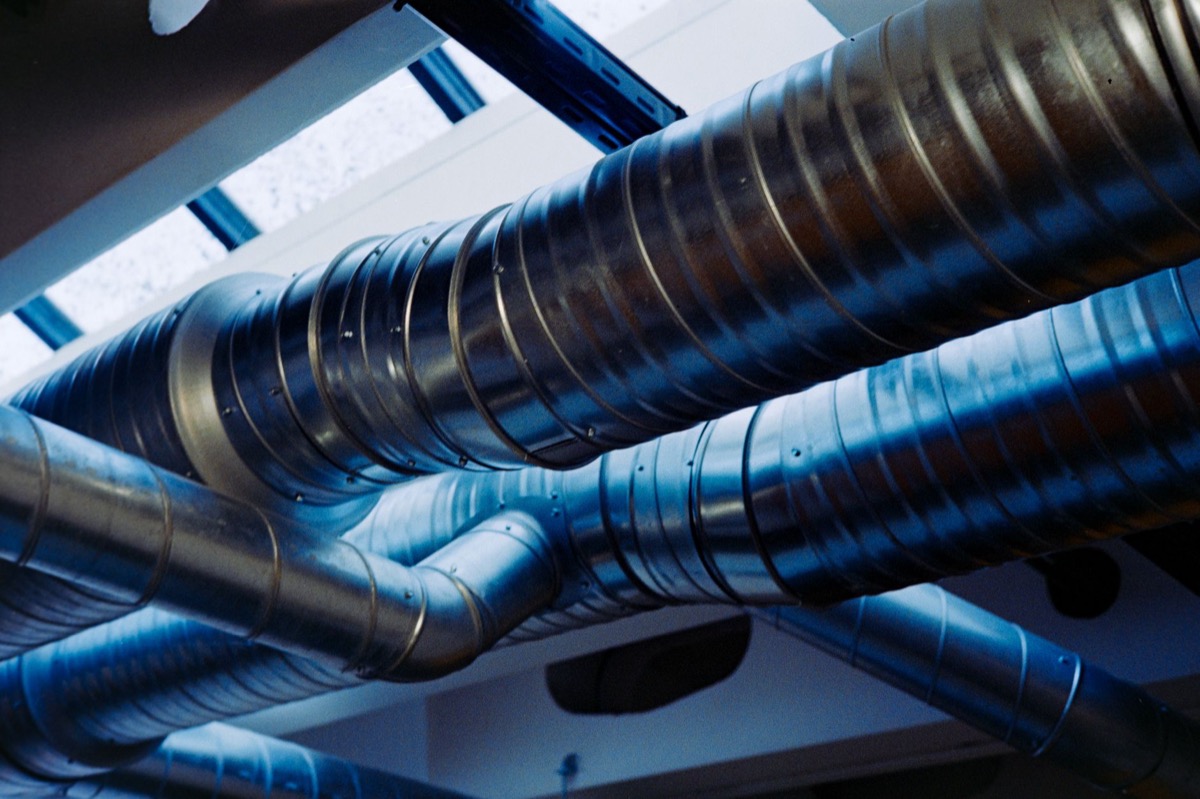
It sounds like a smart energy-saving trick: close the vents in unused rooms to direct heating or cooling where it's needed most. However, as noted by ECOticias.com, HVAC experts widely warn that this common practice can actually raise pressure, waste energy, and even damage your system over time. Far from saving you money, this approach can lead to costly repairs and a shorter HVAC system lifespan.
Understanding why this seemingly logical action is detrimental is crucial for any homeowner or professional. The key lies in static pressure – a fundamental concept in HVAC system design and operation that, when disrupted, can have significant negative consequences for your entire heating and cooling infrastructure.
The Static Pressure Problem: Why Closing Vents Hurts Your HVAC
Your HVAC system, including its furnace, air conditioner, and ductwork, is a carefully balanced machine. It’s designed to move a specific volume of air at a certain pressure throughout your home. When you close vents, you disrupt this delicate balance.
- Increased Resistance: Imagine a pump trying to move water through a hose. If you pinch the hose, the pump has to work harder against increased resistance. Similarly, closing vents restricts airflow, creating more resistance within your ductwork. This resistance is known as static pressure.
- Overworking the Blower Motor: When static pressure rises above design specifications, your system's blower motor has to work harder to push air through the restricted ducts. This excessive strain leads to increased energy consumption and premature wear and tear on the motor.
- Reduced Airflow: Despite the motor working harder, the overall airflow through your system decreases. This means less conditioned air reaches the rooms that are open, resulting in uneven temperatures and reduced comfort.
Our Duct Velocity Calculator and Duct CFM Calculator can help illustrate how changes in duct area affect airflow dynamics, but the principle is simple: closing vents significantly alters the designed airflow.
Long-Term Damage and a Shorter HVAC System Lifespan
The hidden danger of consistently closing vents is the cumulative stress it places on your HVAC system, directly impacting its lifespan. The problems extend beyond just wasted energy:
- Blower Motor Failure: The most immediate casualty is often the blower motor. Constantly operating under high static pressure causes the motor to overheat and work beyond its intended limits, drastically shortening its life and leading to expensive replacement costs.
- Coil Issues (Freezing/Overheating): In air conditioning systems, restricted airflow over the evaporator coil can cause it to freeze. A frozen coil can’t effectively remove heat, leading to poor cooling performance and potential damage to the compressor. In heating systems, restricted airflow over the heat exchanger can cause it to overheat, which can be a safety hazard and lead to premature failure.
- Compressor Strain: A freezing evaporator coil in an AC system can cause liquid refrigerant to return to the compressor, damaging its internal components. The compressor is one of the most expensive parts of an air conditioner to replace.
- Ductwork Integrity: Elevated static pressure can also stress your ductwork. Existing leaks may worsen, and seams might separate, leading to further energy losses and compromising your system's efficiency. Learning about flex duct derating highlights how even standard conditions affect duct performance, let alone increased pressure.
In essence, closing vents creates a domino effect of operational inefficiencies and mechanical stress that accelerates wear and tear on virtually every major component of your heating and cooling system, cutting short its expected operational life.
Smarter Ways to Achieve Comfort and Efficiency
Instead of closing vents, consider these effective strategies for optimizing your home's comfort and energy use:
- Zoning Systems: The most effective way to control temperatures in different areas of your home is with an HVAC zoning system. This allows you to set different temperatures for different zones, directing conditioned air only where it's truly needed, without compromising overall system performance.
- Improve Insulation and Seal Leaks: Address the root causes of energy loss. Adding insulation to attics and walls, and sealing air leaks around windows, doors, and within your ductwork (refer to duct sizing mistakes for related issues), can significantly reduce your heating and cooling demands, especially in unused rooms.
- Regular HVAC Maintenance: Ensure your system is running efficiently with annual professional tune-ups. Proper maintenance includes checking airflow, static pressure, and refrigerant levels, which can help catch potential issues before they become major problems.
- Proper System Sizing: An HVAC system that is too large or too small for your home can struggle with efficiency and comfort. Consult with a professional to ensure your system and its ductwork are correctly sized for your home's needs. Our guide on how to size ductwork and HVAC Tonnage Sizing can provide helpful context.
Max CFM by round duct diameter at 0.08 in.wg/100 ft
Key Takeaways
- Closing HVAC vents increases static pressure within your ductwork.
- Elevated static pressure forces your blower motor to work harder, wasting energy.
- This strain leads to premature wear and potential failure of critical HVAC components, including the blower motor, coils, and compressor.
- Damaging your system through restricted airflow can significantly shorten your HVAC system's overall lifespan.
- Opt for proper solutions like zoning systems, improved insulation, and regular maintenance for true energy efficiency and lasting comfort.
Try It Yourself — Free
Understanding airflow and static pressure is crucial for maintaining an efficient HVAC system and extending its life. Use our free duct size calculator to better understand your system's needs, or explore our guide on how to size ductwork for deeper insights into optimal design.
Related Resources
More From Our Network
- cyberfrad — our network
Sources
- ECOticias.com — Original report
- Iowa State University Extension and Outreach — When static pressure rises above design specifications, your system's blower motor has to work harder against increased resistance, leading to increased energy consumption and premature wear and tear.